
.jpeg?width=40&name=1663065848496%20(1).jpeg)
.png)
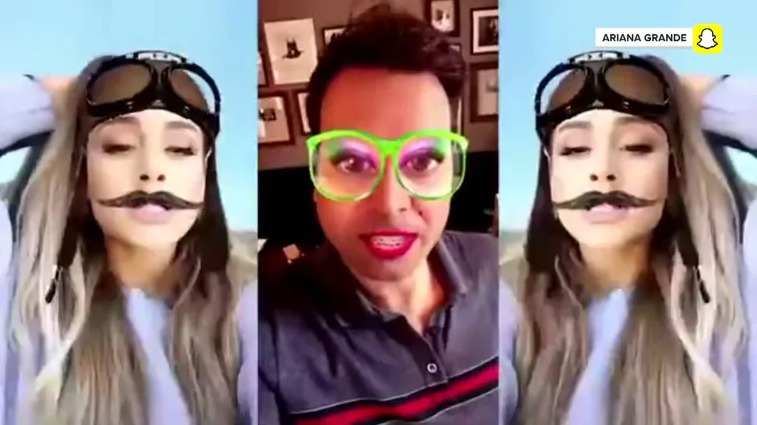
As we step into 2026, my social feeds look remarkably like they did a decade ago. If you’ve spent any time on TikTok or Instagram this month, you’ve seen it: the grainy iPhone 6-style photos, the return of the Snapchat dog filter, and carousels filled with the "unpolished" chaos of 2016.
At first glance, it looks like a simple nostalgia trip. But what I see is something much deeper. This isn't just about flower crowns and Pokémon Go; it’s a strategic pivot. The industry is collectively exhaling after two years of hyper-optimised, AI-saturated content.
Here is why the "2016 Reset" is happening and what it reveals about the state of marketing today.
The "Glitch" in the AI Matrix
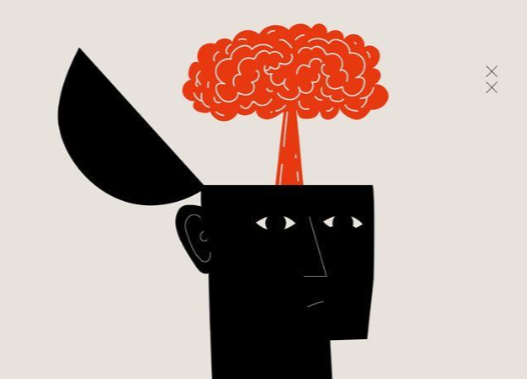
For the past 18 months, everyone has been obsessed with efficiency. We used AI to polish every pixel, write the "perfect" copy, and automate engagement. But when everything is perfect, nothing is interesting.
The 2016 trend is a response to "Dead Internet Theory"—the growing fatigue of users who feel like they are interacting with bots rather than humans. By reaching back to 2016, audiences are demanding friction. They want the blurry photo because it proves a human was actually there to take it.
 Source: https://www.today.com/popculture/news/2016-trend-nostalgia-explained-rcna254305
What Was the Industry Doing in 2016?
To understand the "Reset," we have to remember how agencies operated a decade ago. It was a time of "Digital Innocence" that feels like a competitive advantage today:
- Organic Reach was Alive: In 2016, we weren't just "paying to play." Instagram’s chronological feed meant that if we created something cool, people actually saw it. Operations focused on timing and creativity rather than just ad-spend optimisation.
- The "Raw" Production Model: Agencies didn't need a 10-person crew for a social shoot. We were learning to be "Mobile First." The goal was to look like a friend in the feed, not a billboard.
- Experimental Community Management: 2016 was the era of the "savage" brand voice. Agencies were hiring community managers to be funny, weird, and reactive in real-time. It wasn't about "safe" AI-generated replies; it was about human wit.
 Source: https://www.pinterest.com/pin/2181499816170132/
Why 2026 is Embracing the "Lo-Fi" Strategy
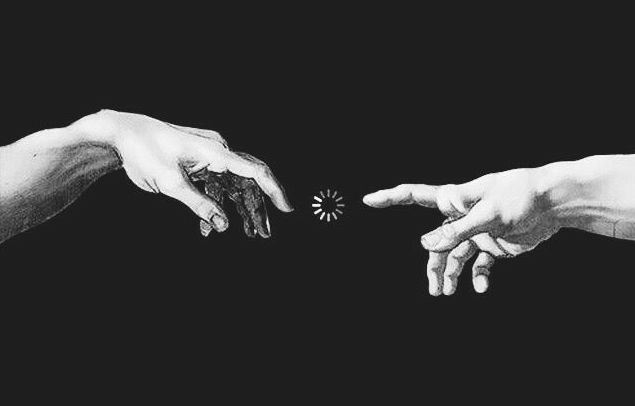
What the 2016 trend has taught us is that we need to build "In-Efficiency" back into our systems. Here is what this tells us about the current marketing landscape:
- Authenticity is the New Luxury: In a world of deepfakes and AI influencers, "The Self" has become the most valuable asset. People are using 2016 aesthetics to reclaim their digital identity.
- Algorithm Fatigue is Real: Users are tired of being "fed" content by a machine. The 2016 trend is a grassroots movement where users are choosing what to see based on shared memories, not algorithmic suggestions.
- The Shift to "Human-First" Operations: We are moving away from "Mass Generation" and toward "Meaningful Interaction." This means re-allocating hours from AI-prompting back to physical content capture and real-time community engagement.
 Source: https://www.pinterest.com/pin/183240278582055460/
The Bottom Line
The 2016 throwback isn't a step backwards; it’s a course correction. It reminds us that while 2026 gives us the most powerful tools in history, the intent behind the marketing must still be human.
Our goal in 2026 isn't just to make our agency faster; it’s to make sure we don’t lose the "vibe" that made us want to be online in the first place.
Sources:
- https://www.vogue.com/article/the-self-the-2016-trend-helped-me-see
- https://trends.withgoogle.com/year-in-search/2016/
- https://www.reddit.com/r/Zillennials/comments/1pxohii/the_2016_trend_on_social_media_lets_talk_about_it/
- https://www.theguardian.com/commentisfree/2026/jan/20/2016-trend-social-media-2026-new-year
- https://www.bbc.com/news/articles/cwy1e605dvgo.amp